
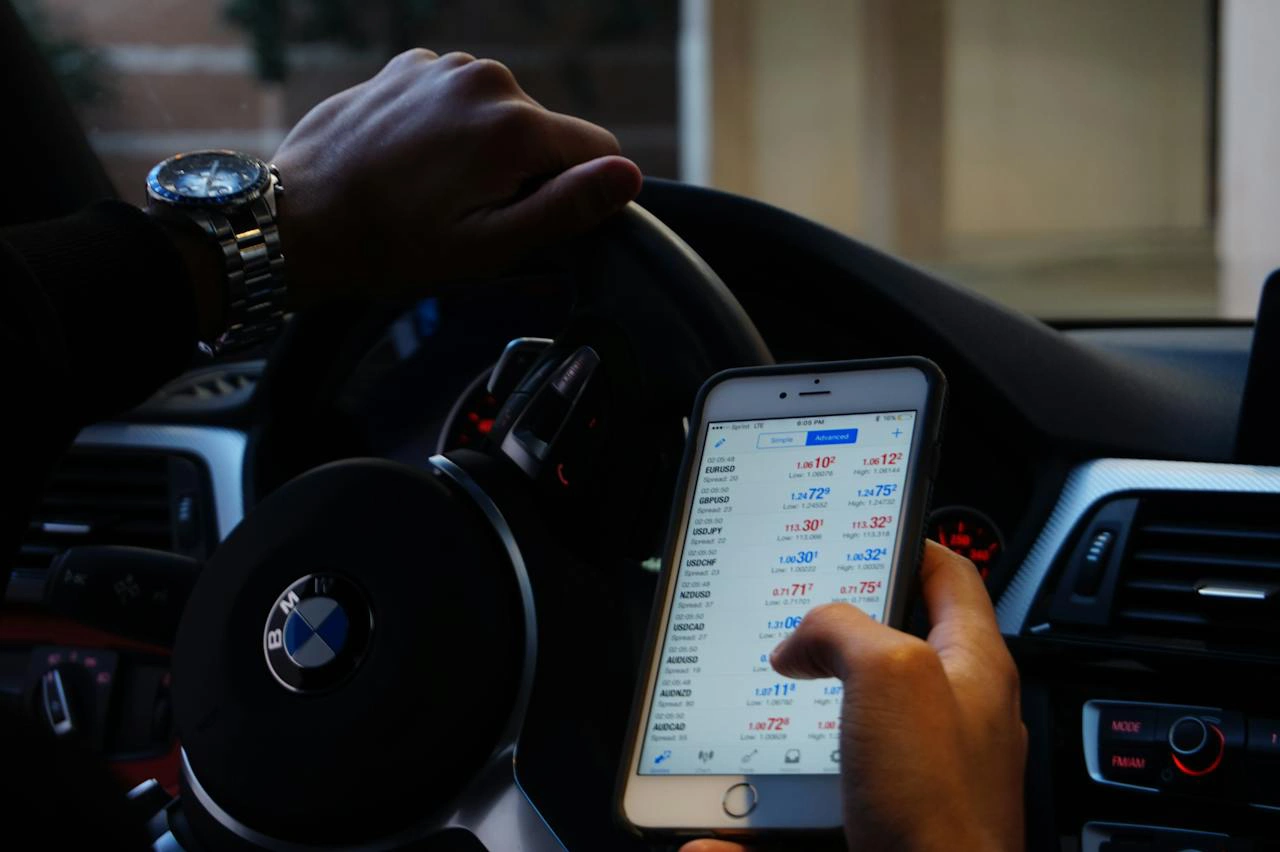
Welcome to our blog post on Forex Australia Essentials! If you are interested in exploring the world of forex trading in Australia, you’ve come to the right place. In this post, we will provide you with a comprehensive overview of the essential aspects of forex trading in Australia.
Forex trading, also known as foreign exchange trading, is the buying and selling of currencies in the global marketplace. It is a decentralised market where participants, including individuals, institutions, and governments, trade currencies around the clock.
To understand the basics of forex trading, it is important to familiarise yourself with key players in the forex market. These players include central banks, commercial banks, hedge funds, and retail traders. Each player has a different impact on the market, and understanding their roles is crucial in making informed trading decisions.
In forex trading, currencies are traded in pairs. The most commonly traded pairs are known as major currency pairs, which include the US Dollar (USD), Euro (EUR), Japanese Yen (JPY), British Pound (GBP), Australian Dollar (AUD), and Canadian Dollar (CAD). Understanding the dynamics of these major currency pairs is essential for successful forex trading.
When it comes to forex trading in Australia, it is important to understand the regulatory environment. Australia has stringent regulations in place to protect investors and ensure fair trading practices. Regulatory bodies such as the Australian Securities and Investments Commission (ASIC) oversee forex brokers operating in the country. We will delve into the requirements for forex brokers and how they protect your investments.
If you’re interested in starting forex trading in Australia, we will guide you through the process. Choosing a reliable forex broker is crucial for a positive trading experience. We will provide you with tips on how to select the right broker for your needs. Additionally, we will discuss the importance of creating a forex trading plan and using trading platforms to execute your trades effectively.
For those looking to take their forex trading to the next level, we will explore advanced trading strategies. Technical analysis, fundamental analysis, and risk management strategies play a crucial role in maximising profits and minimising losses. We will provide you with insights into these strategies and how to apply them in your trading journey.
Stay tuned for our upcoming blog posts on Forex Australia Essentials, where we will dive deeper into each of these topics. Whether you are a beginner or an experienced trader, our blog aims to provide you with valuable information and resources to enhance your forex trading skills in Australia.
Forex Australia Essentials: Introduction to Forex Trading in Australia
Forex trading has gained significant popularity in Australia, attracting a diverse range of investors and traders. In this section, we will provide you with an introduction to forex trading in Australia, including its history, growth, and the reasons why it has become a preferred investment option for many Australians.
The Growth of Forex Trading in Australia
Over the years, forex trading has grown substantially in Australia, driven by factors such as technological advancements, increased accessibility, and the potential for lucrative returns. The forex market operates 24 hours a day, allowing traders to engage in trading activities at their convenience, irrespective of the time zone.
The Benefits of Forex Trading in Australia
Forex trading offers numerous benefits to Australian traders, making it an attractive investment option. Some of the key advantages include the following.
- High Liquidity: The forex market is the most liquid financial market globally, ensuring that traders can enter and exit positions quickly, even with large trading volumes.
- Diverse Trading Opportunities: The forex market encompasses a wide range of currency pairs, giving traders the opportunity to capitalise on various economic and geopolitical events worldwide.
- Leverage and Margin Trading: Forex trading allows individuals to trade with leverage, which means they can control larger positions with a smaller amount of capital. However, it is important to understand the risks associated with leverage and use it responsibly.
- Flexibility: Forex trading offers flexibility in terms of trading hours, allowing traders to participate in the market whenever it suits them. This flexibility is particularly beneficial for individuals who have other commitments during regular trading hours.
The Role of Technology in Forex Trading
Technological advancements have revolutionised the forex trading landscape, making it more accessible and efficient for traders. Online trading platforms and mobile applications have made it easier for Australian traders to access the forex market and execute trades in real-time. Additionally, advanced charting tools and indicators provide valuable insights and analysis for making informed trading decisions.
Popular Forex Trading Instruments in Australia
Forex trading in Australia primarily focuses on currency pairs, with the AUD/USD (Australian Dollar/US Dollar) being one of the most actively traded pairs. Other popular currency pairs include EUR/USD, GBP/USD, USD/JPY, and USD/CAD. In addition to currency pairs, Australian traders also have access to other financial instruments such as commodities, indices, and cryptocurrencies.
Risks Associated with Forex Trading
While forex trading offers lucrative opportunities, it is important to understand and manage the risks involved. Volatility in the forex market can result in rapid price fluctuations, which can lead to significant gains or losses. Traders must be aware of the potential risks and employ risk management strategies to protect their capital.
In conclusion, forex trading in Australia has experienced significant growth due to its accessibility, potential for high returns, and technological advancements. With the right knowledge, skills, and risk management strategies, individuals can participate in the forex market and potentially achieve financial success. In the next section, we will delve deeper into the basics of forex trading, providing a comprehensive understanding of how the market operates and the key players involved.
Understanding the Basics of Forex Market
To successfully navigate the forex market, it is essential to have a solid understanding of its basics. In this section, we will explore the fundamental concepts of forex trading, including what forex trading entails, the key players in the market, and the major currency pairs traded.
What is Forex Trading?
Forex trading, also known as foreign exchange trading, is the buying and selling of currencies with the aim of making a profit from the fluctuations in their exchange rates. It is a decentralised market where currencies are traded electronically over the counter (OTC), meaning there is no physical exchange or centralised location for trading.
Key Players in the Forex Market
Several key players participate in the forex market, each with their own roles and influence on currency prices. Understanding these players is crucial for comprehending market dynamics. The major players include the following.
- Central Banks: Central banks, such as the Reserve Bank of Australia (RBA), play a significant role in forex markets. They formulate monetary policies and can intervene in the market to stabilise their national currency or influence interest rates.
- Commercial Banks: Commercial banks facilitate forex transactions for their clients, including individuals, corporations, and other financial institutions. They provide liquidity to the market and engage in currency trading to meet their own operational needs.
- Hedge Funds and Investment Firms: Hedge funds and investment firms participate in the forex market on behalf of their clients, aiming to generate profits through speculative trading strategies. These institutional traders often have access to significant resources and employ sophisticated trading techniques.
- Retail Traders: Individual traders, including retail traders, participate in the forex market through various platforms offered by forex brokers. Retail traders make up a significant portion of the market and can access the market with relatively smaller trading capital.
Major Currency Pairs in Forex
Forex trading involves the simultaneous buying of one currency and selling of another. Currency pairs are quoted in relation to each other, and the price at which they are traded is known as the exchange rate. The most commonly traded currency pairs are known as major currency pairs, which include the following.
- EUR/USD: Euro to US Dollar
- GBP/USD: British Pound to US Dollar
- USD/JPY: US Dollar to Japanese Yen
- USD/CAD: US Dollar to Canadian Dollar
- AUD/USD: Australian Dollar to US Dollar
These major currency pairs are highly liquid and have tight spreads, making them popular choices for traders. Understanding the characteristics and factors influencing these currency pairs is essential for successful forex trading.
In the next section, we will delve into the regulatory framework governing forex trading in Australia. It is important to be aware of the regulatory bodies and requirements to ensure a safe and secure trading environment.
Regulation of Forex Trading in Australia
Forex trading in Australia is regulated to ensure fair trading practices, investor protection, and the stability of the financial system. In this section, we will explore the regulatory framework governing forex trading in Australia, including the key regulatory bodies, requirements for forex brokers, and measures taken to protect investors.
Regulatory Bodies Governing Forex in Australia
The primary regulatory body overseeing forex trading in Australia is the Australian Securities and Investments Commission (ASIC). ASIC is an independent government body responsible for regulating and supervising financial markets, including forex brokers. Its role is to enforce compliance with relevant laws, promote market integrity, and protect the interests of investors.
In addition to ASIC, other regulatory bodies such as the Australian Prudential Regulation Authority (APRA) and the Reserve Bank of Australia (RBA) also play a role in overseeing certain aspects of the financial sector, including forex trading.
Requirements for Forex Brokers
Forex brokers operating in Australia are required to meet certain criteria and adhere to specific regulations. These requirements are in place to ensure transparency, security, and fair treatment of clients. Some of the key requirements for forex brokers in Australia include the following.
- Licensing: Forex brokers must obtain an Australian Financial Services (AFS) license from ASIC to operate legally in Australia. This license ensures that brokers meet certain standards and comply with regulatory obligations.
- Client Money Protection: Forex brokers are required to segregate client funds from their own operational funds. This separation ensures that client funds are protected and can be returned to clients in the event of the broker’s insolvency.
- Financial Stability: Forex brokers must maintain sufficient financial resources to meet their obligations towards clients. This requirement helps ensure the stability of the broker and reduces the risk of default.
- Disclosure and Transparency: Brokers are obligated to provide accurate and timely information to clients regarding trading conditions, fees, and potential risks associated with forex trading. This transparency allows clients to make informed decisions.
Protecting Your Investments
Investor protection is a crucial aspect of forex trading regulation in Australia. Measures have been implemented to safeguard the interests of investors and provide avenues for dispute resolution. Some of these measures include the following.
- Client Compensation Schemes: In the event of a broker’s insolvency, clients may be eligible for compensation through the Australian Financial Complaints Authority (AFCA) or other compensation schemes. These schemes provide a safety net for investors in case of financial loss.
- Compliance and Conduct Standards: Forex brokers must comply with specific conduct standards, such as treating clients fairly, providing suitable advice, and managing conflicts of interest. These standards aim to protect investors from unfair practices.
- Regulatory Reporting and Auditing: Forex brokers are required to submit regular reports to ASIC, providing details on their financial position, client funds, and compliance with regulatory obligations. Regular audits help ensure brokers’ adherence to regulations and promote transparency.
In the next section, we will guide you through the process of starting forex trading in Australia, including choosing a reliable forex broker and creating a trading plan.
How to Start Forex Trading in Australia
If you are interested in starting forex trading in Australia, this section will provide you with a step-by-step guide on how to get started. We will cover important aspects such as choosing a reliable forex broker, creating a trading plan, and using trading platforms effectively.
Choosing a Reliable Forex Broker
Selecting a reputable and reliable forex broker is crucial for a successful trading experience. Here are some factors to consider when choosing a forex broker.
- Regulation: Ensure that the broker is licensed and regulated by ASIC. This provides you with legal protection and ensures that the broker operates in compliance with industry standards.
- Trading Platform: Evaluate the broker’s trading platform for its user-friendliness, reliability, and the availability of essential features such as real-time charts, technical analysis tools, and order execution capabilities.
- Range of Instruments: Check if the broker offers a wide range of currency pairs, as well as other financial instruments that you may be interested in trading, such as commodities, indices, or cryptocurrencies.
- Customer Support: Consider the level of customer support provided by the broker. Look for brokers with responsive customer service that can assist you with any technical or trading-related issues.
- Trading Costs: Compare the spreads, commissions, and other fees charged by different brokers. Low trading costs can have a significant impact on your profitability in the long run.
Creating a Forex Trading Plan
A forex trading plan is essential for developing a structured approach to trading and managing risk. Here are some key components to include in your trading plan.
- Trading Goals: Define your trading goals, whether it’s achieving a certain percentage of returns, growing your trading capital, or improving your trading skills.
- Risk Management: Determine your risk tolerance and establish risk management strategies such as setting stop-loss orders, using proper position sizing, and avoiding over-leveraging.
- Trading Strategy: Develop a trading strategy based on technical analysis, fundamental analysis, or a combination of both. Define the criteria for entering and exiting trades, as well as the indicators or patterns you will use to identify trading opportunities.
- Trading Schedule: Decide on the timeframes and market sessions you will trade, considering your availability and the currency pairs you prefer to trade during specific market hours.
- Record-Keeping: Establish a system for tracking your trades, analysing performance, and identifying areas for improvement. This can include maintaining a trading journal and reviewing your trades regularly.
Using Trading Platforms
Once you have chosen a forex broker, familiarise yourself with their trading platform. Here are some tips for using trading platforms effectively.
- Practice on Demo Accounts: Most brokers offer demo accounts that allow you to trade with virtual money. Use this opportunity to get comfortable with the trading platform, test your strategies, and gain experience without risking real money.
- Learn Order Execution: Understand how to execute different types of orders, such as market orders, limit orders, and stop orders. Practice placing trades and managing orders effectively.
- Utilise Charting Tools: Explore the charting tools and indicators available on the platform. Learn how to analyse price charts, apply technical indicators, and identify potential trading opportunities.
- Stay Informed: Take advantage of the economic calendar and news feeds provided by the platform. Stay updated with market news, economic events, and other factors that can impact currency prices.
In the next section, we will delve into advanced forex trading strategies, including technical analysis, fundamental analysis, and risk management strategies. These strategies will help you enhance your trading skills and make more informed trading decisions.
Advanced Forex Trading Strategies
In this final section, we will explore advanced forex trading strategies that can help you take your trading skills to the next level. These strategies involve in-depth analysis of market trends, economic indicators, and risk management techniques.
Technical Analysis in Forex
Technical analysis involves studying historical price data and using various tools and indicators to predict future price movements. Some key concepts and tools used in technical analysis include the following.
- Chart Patterns: Recognise and interpret chart patterns such as support and resistance levels, trendlines, and candlestick patterns to identify potential entry and exit points.
- Technical Indicators: Utilise indicators such as moving averages, relative strength index (RSI), and stochastic oscillators to generate trading signals and confirm price trends.
- Fibonacci Retracement: Apply Fibonacci levels to identify potential areas of support and resistance, which can help determine optimal entry and exit points.
- Multiple Time Frame Analysis: Analyse price action across different time frames to identify trends and confirm trading signals.
Fundamental Analysis in Forex
Fundamental analysis involves evaluating economic, social, and political factors that influence currency values. Key elements of fundamental analysis include the following.
- Economic Indicators: Monitor economic indicators such as GDP growth, inflation rates, interest rates, and employment data to assess the health of an economy and its impact on currency values.
- Central Bank Decisions: Keep track of central bank policies, such as monetary policy decisions and interest rate changes, as they can have a significant impact on currency values.
- Geopolitical Events: Stay informed about geopolitical events, such as elections, trade agreements, and geopolitical tensions, as they can cause volatility and affect currency movements.
Risk Management Strategies
Effective risk management is essential for long-term success in forex trading. Here are some risk management strategies to consider.
- Setting Stop-Loss Orders: Determine a predetermined level at which you will exit a trade to limit potential losses.
- Position Sizing: Determine the appropriate position size based on your risk tolerance and the size of your trading account. Avoid risking too much on a single trade.
- Diversification: Spread your trades across different currency pairs or financial instruments to reduce the impact of potential losses.
- Risk-to-Reward Ratio: Assess the potential reward in relation to the risk of each trade. Aim for a favourable risk-to-reward ratio to ensure that potential profits outweigh potential losses.
- Emotional Control: Keep emotions in check and avoid impulsive trading decisions. Stick to your trading plan and avoid chasing losses or deviating from your strategy.
By incorporating these advanced forex trading strategies into your trading approach, you can improve your decision-making process and increase the likelihood of profitable trades.
In conclusion, forex trading in Australia offers exciting opportunities for individuals interested in the global currency market. By understanding the basics of forex trading, choosing a reliable broker, creating a trading plan, and applying advanced trading strategies, you can enhance your trading skills and increase your chances of success in the forex market.
Remember, forex trading involves risks, and it is important to educate yourself, practice with demo accounts, and start with appropriate risk capital. Continuously learn and adapt your strategies as you gain experience and monitor market conditions. Best of luck on your forex trading journey!